
Real Kickstarter pre-launch marketing support is about proving your offer can work before you press "Launch", not just collecting random emails. It means testing your product, price, and angles with paid traffic, then building a warm list that can fund 100% of your goal on day one.
This page breaks down what proper pre-launch support should look like in 2026, which numbers matter, and how a partner like BoostYourCampaign handles this phase so your live campaign is a controlled step, not a gamble.
If you want the full picture from validation to post-campaign growth, read the Kickstarter marketing guide for product creators in 2026 and see what other creators say on the BoostYourCampaign reviews page .
Quick overview
What is Kickstarter pre-launch marketing support in 2026
More than "build a landing page and run some ads"
Pre-launch is where you discover if the market actually cares about your product at the price you need. Real support connects four pieces:
- Your margins and funding goal
- Your offer and positioning
- Your landing page and emails
- Your traffic, cost per lead, and expected cost per backer
When these pieces line up, you launch with confidence. When they do not, the job of the agency is to show you where it breaks and what needs to change before you go live.

How pre-launch fits into the full campaign
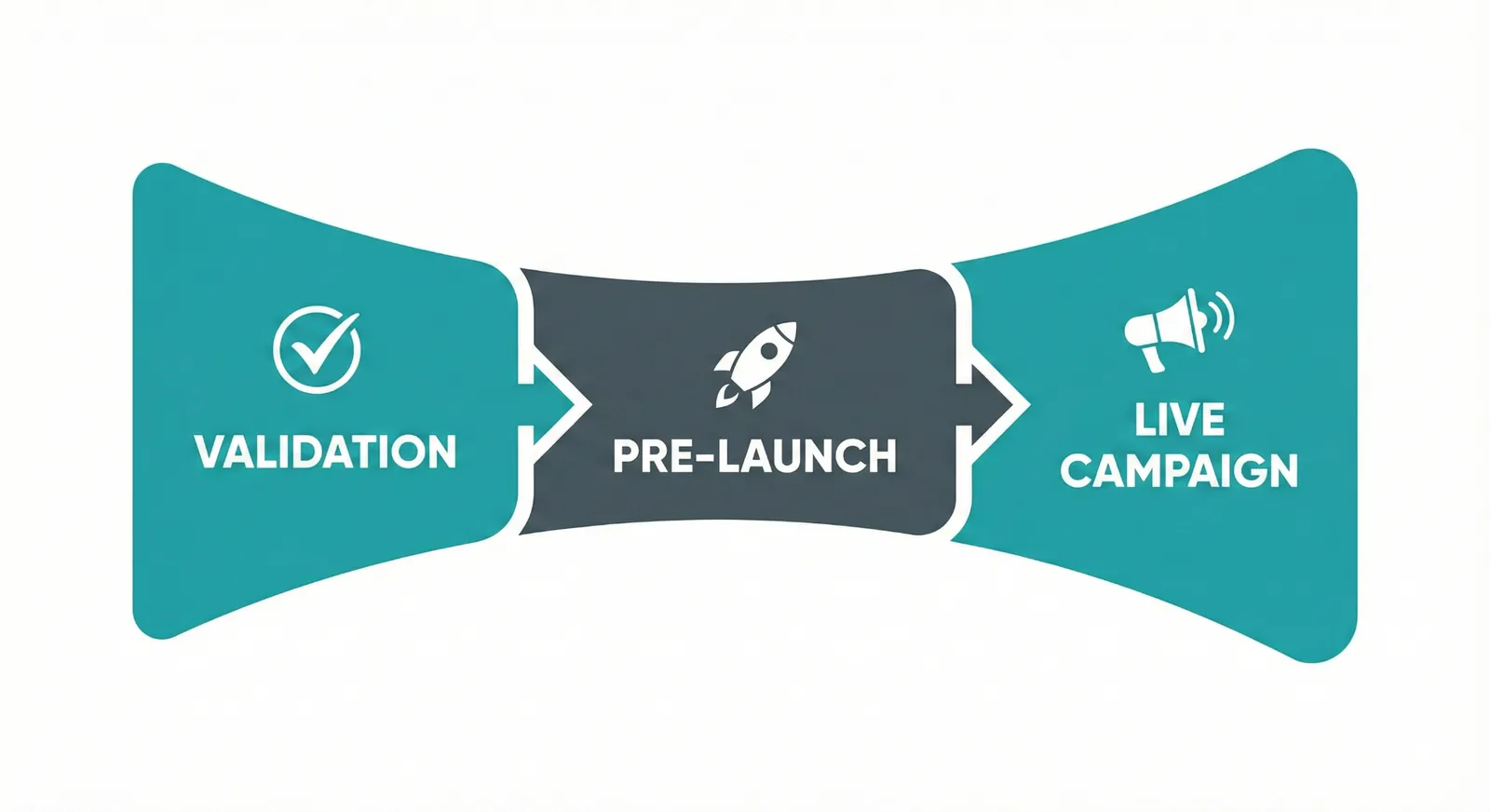
Pre-launch marketing support sits between early validation and live campaign support:
- Validation checks if the concept and price range have a chance
- Pre-launch builds a list and proves a realistic cost per backer
- Live campaign turns that list and traffic into pledges at scale
This page focuses on the pre-launch part. For what happens during and after the campaign, see Kickstarter marketing support during your live campaign in 2025 .
What a serious agency does during Kickstarter pre-launch
1. Goal, margin, and product check
Before any ads or pages, proper pre-launch support starts with numbers:
- Unit cost, shipping, and fees
- Planned reward prices and bundles
- Funding goal and realistic volume per reward
If the math does not work, no amount of marketing will fix it. A serious partner will tell you this early and suggest adjustments instead of pushing you into a campaign that cannot succeed.
2. Offer and positioning clarity
Next, you need a clear answer to "Why this product, why now, and for whom". Support here includes:
- Defining the primary audience and use cases
- Choosing a simple core promise that is easy to test in ads
- Outlining the key features in plain language, not technical specs only
This positioning then drives your landing page, ad angles, and email content.
3. High-converting pre-launch landing page
Your pre-launch page is where cold traffic turns into warm leads. A proper support package covers:
- Page structure with a clear hero, benefit blocks, and social proof
- Copy that matches your future Kickstarter page and reward structure
- Simple forms and reservation options if you decide to use $1 or paid reservations
At BoostYourCampaign, we build these pages with the live campaign in mind so you do not end up with a pre-launch message that clashes with your final campaign story.
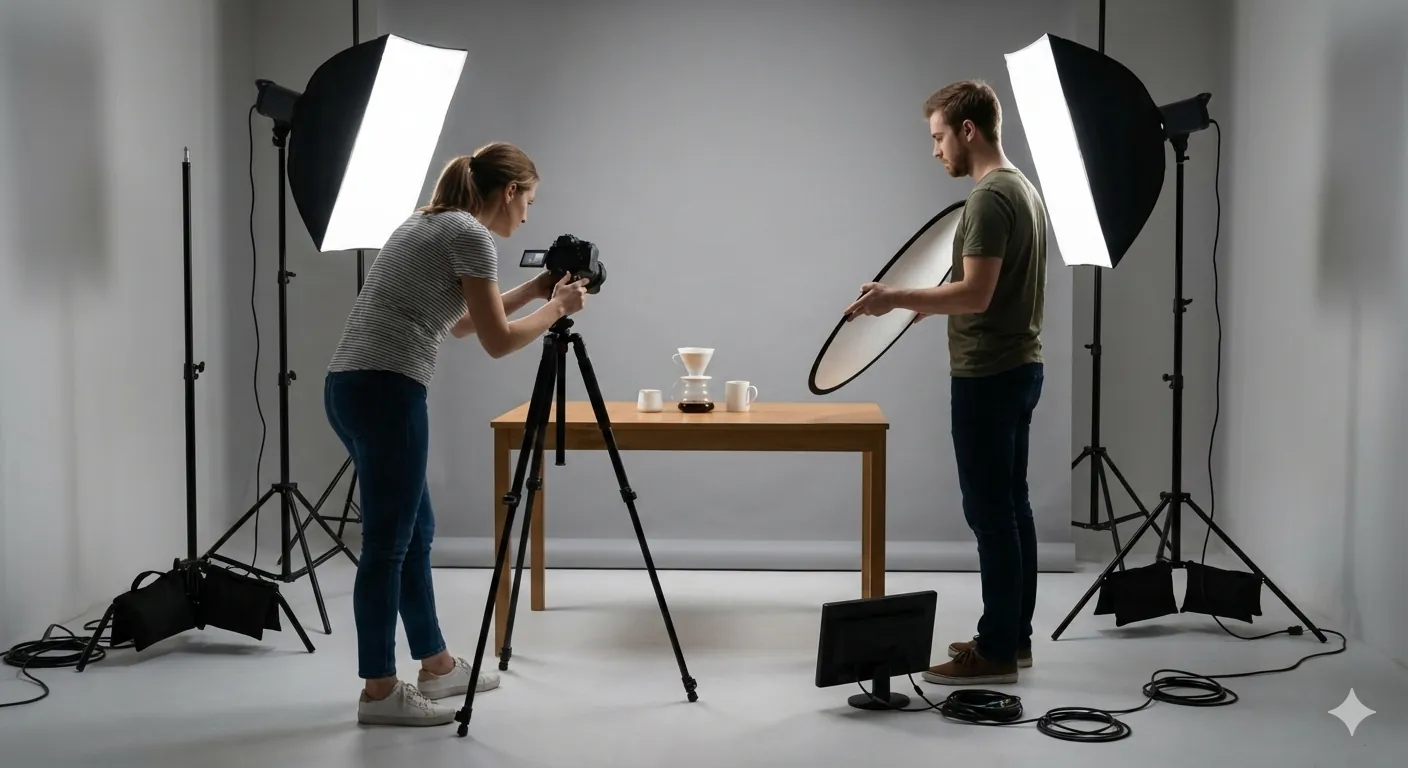
4. Creative assets produced in-house
Even in pre-launch, your visuals matter. They signal quality and reduce doubt. Support should include:
- Ad-ready product photos that show real use, not just renders
- Short vertical and horizontal clips for Meta and other channels
- Graphics that explain core features or bundle structure
Because BoostYourCampaign runs its own video and photo studios in the US and Europe, all of this is handled in-house. You are not waiting on external suppliers who do not understand the Kickstarter timeline.
5. Paid traffic tests and list building
This is the core of pre-launch support. A serious partner will:
- Set up test campaigns on Meta and, where useful, other channels
- Try several angles, creatives, and audiences instead of betting on one idea
- Measure cost per lead and early engagement quality, not only click costs
The goal is to reach stable, repeatable numbers so you can estimate how many backers you can realistically acquire at a given budget once the campaign is live.
6. Email sequences and warm-up
Pre-launch support also covers what happens after someone joins your list:
- Welcome emails that set expectations and tell your product story
- Countdown sequences that warm people up as launch day approaches
- Simple surveys to learn what potential backers care about most
This is where you turn raw leads into people who are ready to pledge on day one.
7. Clear benchmarks and decisions before launch
By the end of pre-launch, you should know:
- Typical cost per lead for your best-performing traffic
- Rough expected cost per backer based on tests and similar campaigns
- How many warm leads you have and what percentage is likely to convert
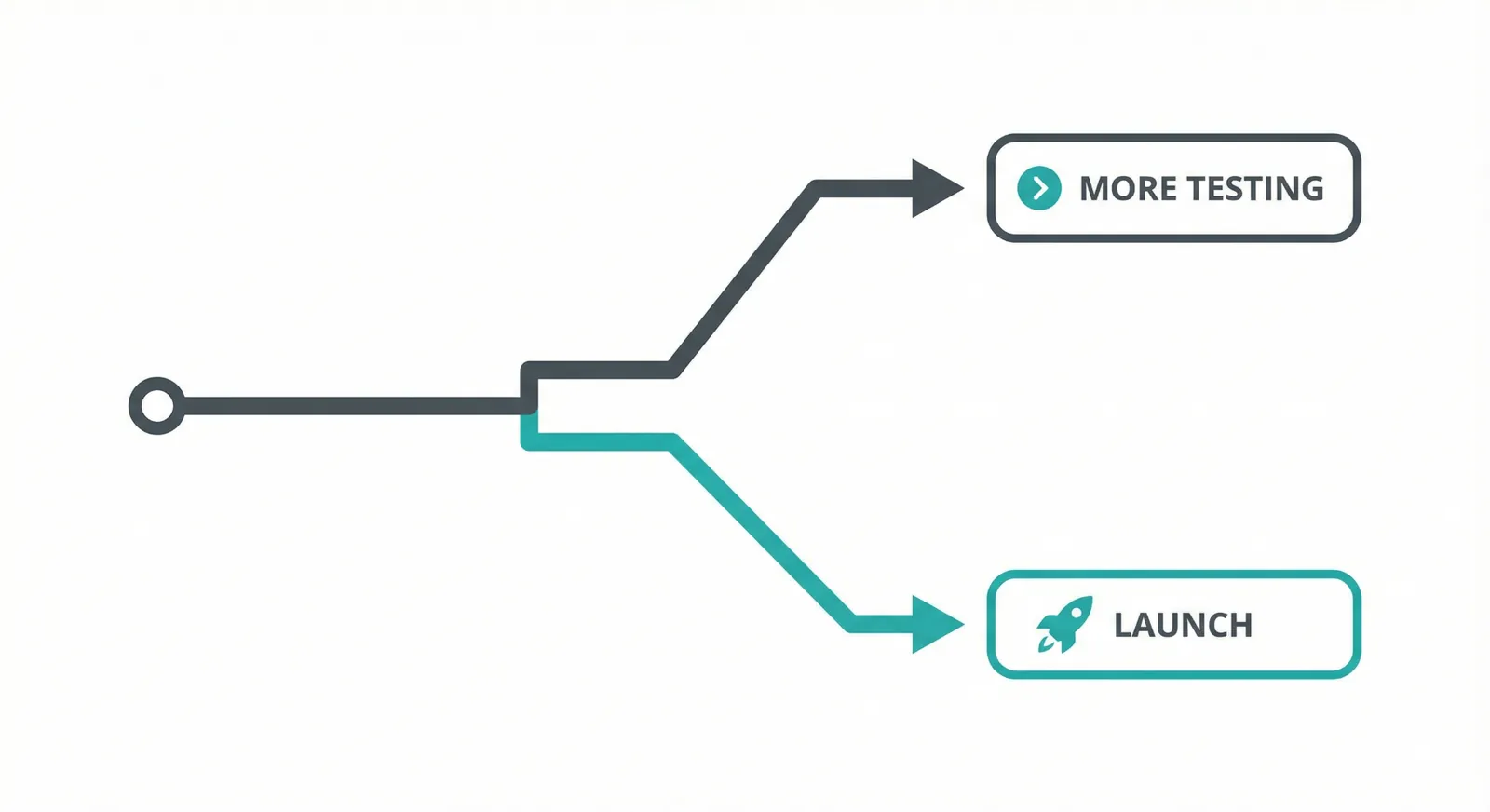
Support at this stage means honest conversation. If the numbers are strong, you plan the final push into launch. If they are weak, you decide together whether to adjust the offer, test further, or postpone the launch.
How BoostYourCampaign runs pre-launch support
Integrated team instead of disconnected freelancers
At BoostYourCampaign, pre-launch support is handled by one integrated team:
- Strategists who look at your margins and goal
- Copywriters and designers for landing pages and email flows
- Media buyers for ads and funnel optimisation
- In-house video and photo teams in the US and Europe
This avoids the classic problem where the ad buyer, page builder, and video team all work in different directions.
From checklist to execution
If you want a simple self-service overview, start with the Kickstarter pre-launch checklist for product creators in 2025 . If you want full support, we follow a more hands-on flow:
- Initial clarity call and margin review
- Pre-launch funnel and creative plan
- Landing page, ads, and email build
- Test phase with clear benchmarks
- Decision point with a clean recommendation

Special case: software and apps
For software and app projects that are not ready for full launch, pre-launch support can connect with our MVP service . That way you reach a real, testable product before you invest in a heavy pre-launch push.
Signs your pre-launch support is not working
Warning signs to watch for
Common red flags include:
- No clear cost per lead after weeks of traffic
- Landing page changes made based on opinion, not data
- No direct discussion of your margins or funding goal
- Vague promises like "it will pick up once the campaign is live"
If you hear "we will see on launch day" more than once, you are not getting real pre-launch support.
Who needs full pre-launch support vs a lighter approach
When full support makes sense
Full pre-launch support is most useful when:
- You plan to invest serious budget in ads
- You aim for a meaningful funding target, not just a symbolic win
- You care about cost per backer and long term margin
- You have limited time and do not want to run all experiments alone
When a lighter approach can be enough
A lighter approach may work if you are:
- Launching a small passion project with a low goal
- Returning with a second or third campaign to an existing audience
- Testing a concept with a small, honest "let's see" budget
Even then, using a structured checklist and basic tests is better than launching blind.
How to start pre-launch support with BoostYourCampaign
If you want structured pre-launch support instead of guessing, the next step is simple:
- Read a few creator stories on the BoostYourCampaign reviews page
- Review the full process in the Kickstarter marketing guide for product creators in 2025
- Then share your product, margins, and timeline via the contact form
From there we can tell you quickly if pre-launch support makes sense, what level of budget is realistic, and what we would do with your specific product.
FAQ: Kickstarter pre-launch marketing support in 2025
How early should I start Kickstarter pre-launch marketing?
Most product creators should plan between six and twelve weeks of focused pre-launch work. If your product is complex or your goal is very high, starting even earlier is sensible. Rushed pre-launch phases usually lead to weak lists and stressful launch weeks.
How many email signups do I need before launch?
There is no magic number, but you can work backwards from your goal. A common starting assumption is that 5 to 10 percent of a warm pre-launch email list will back the campaign, depending on offer strength, trust, and price. Pre-launch support helps you test this for your specific case.
How much should I spend on pre-launch ads?
The budget depends on your goal and margin, but a rough guide is to spend enough to reach stable numbers for your best-performing audiences. For many campaigns, that means at least a few thousand in pre-launch spend, not a few hundred spread thin across many tests.
Do I need video during pre-launch, or are images enough?
High quality images are the minimum. Short video clips often help reduce doubt and improve results, especially for hardware and physical products. Because BoostYourCampaign has in-house studios, we can produce both without adding layers of external suppliers.
Can pre-launch support fix a weak product or bad margins?
No. Pre-launch support can reveal problems early, but it cannot turn a fundamentally unworkable offer into a strong one. The value is in catching these issues before you spend heavily on a live campaign that never had a chance.
What if my pre-launch numbers look bad?
Then the job of the agency is to say so clearly and suggest options. That may mean adjusting price, changing the offer, testing new angles, or delaying the launch. Sometimes the most valuable outcome of pre-launch support is deciding not to launch yet.
Can I run my own pre-launch and only hire help for the live campaign?
You can, but you will then bring whatever problems you created in pre-launch into the live phase. Many turnarounds we handle start with unclear or rushed pre-launch work. If budget allows, it is usually smarter to get support early, not only when things start to break.
How do I get started with BoostYourCampaign pre-launch support?
Share your product details, rough goal, and timeline through the contact form. We review your information, look at your numbers, and reply with a clear next step. If there is a good fit, we move into a structured validation and planning phase before the heavy pre-launch work starts.
Ready to give your campaign the best shot?
We've helped 4,600+ creators raise over $734M since 2010. Let's pressure-test your launch plan and find the highest-leverage fixes before you go live.
Talk to an expert →