
A good Kickstarter video is usually not cheap, but it also does not have to kill your entire budget. In 2025, most serious campaigns should plan somewhere between 2,000 and 12,000 dollars for video and related creative work, depending on scope, location, and how much needs to be staged or animated. The goal is simple: invest enough to make your product clear, credible, and desirable, without spending money that never comes back.
Quick overview
What drives the cost of a Kickstarter video
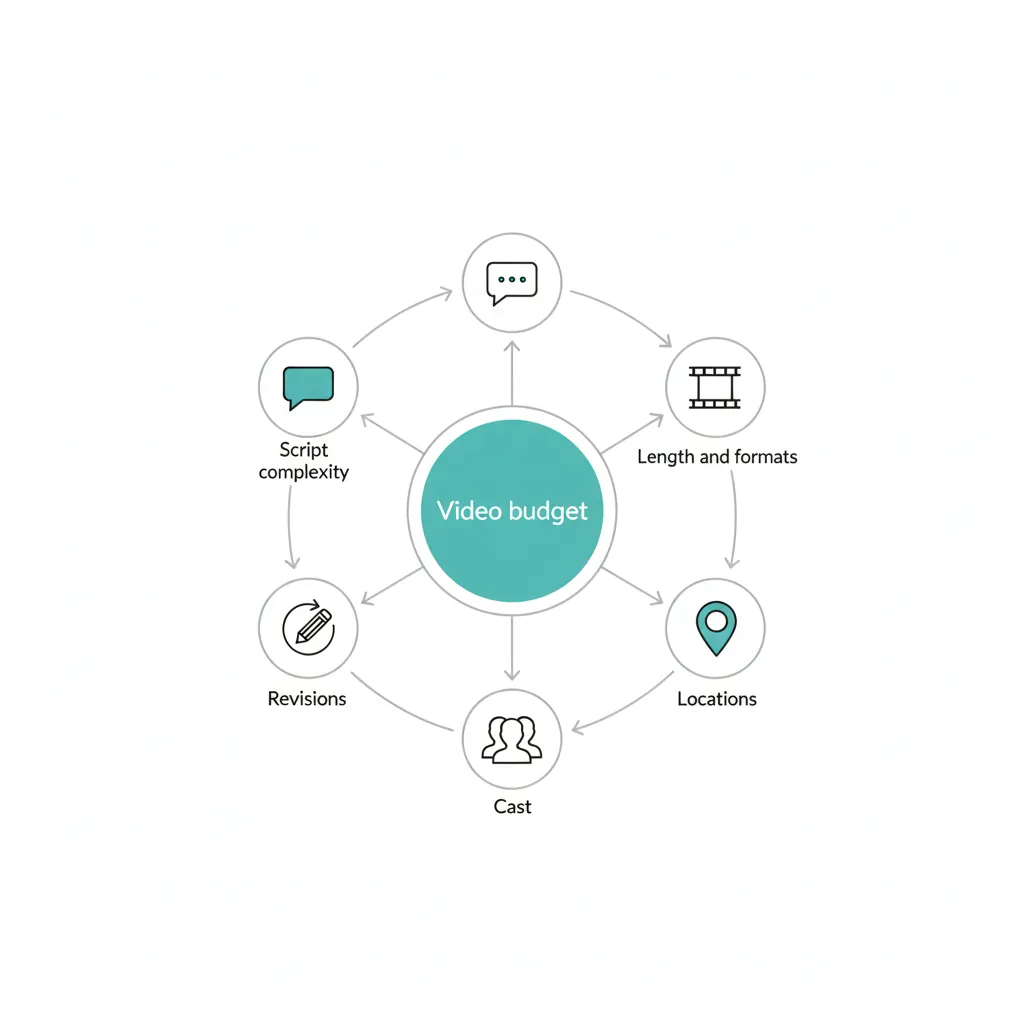
The cost of a Kickstarter video is rarely about one single line item. It is a set of decisions that add up: where you shoot, who is on set, how much needs to be scripted and storyboarded, what gear is used, and how many revision cycles are required before launch.
Key cost drivers you need to understand
- Concept and script complexity - A clear founder led script that explains the problem, product, and proof is faster to produce than a story with actors, multiple locations, and elaborate transitions.
- Length and format - A tight 60 to 120 second main video with short cut downs for ads is usually more efficient than a five minute film that tries to do everything.
- Number of locations - Each extra location means more time for travel, setup, permits, and coordination.
- Cast and presenters - Using the founder and a small group of real users is usually cheaper than hiring professional actors, voice talent, and extras.
- Type of visuals - Simple product b roll and lifestyle shots are cheaper than heavy CGI or complex motion graphics.
- Revision cycles - Endless script and edit changes can double the real cost of a "cheap" video.
When we plan a shoot at BoostYourCampaign, we start by stripping the idea down to the minimum set of shots needed to sell the offer. Everything that does not help a backer understand, trust, or feel the value of the product goes into the "nice to have" column, not the first draft budget.
Typical Kickstarter video budget levels in 2025
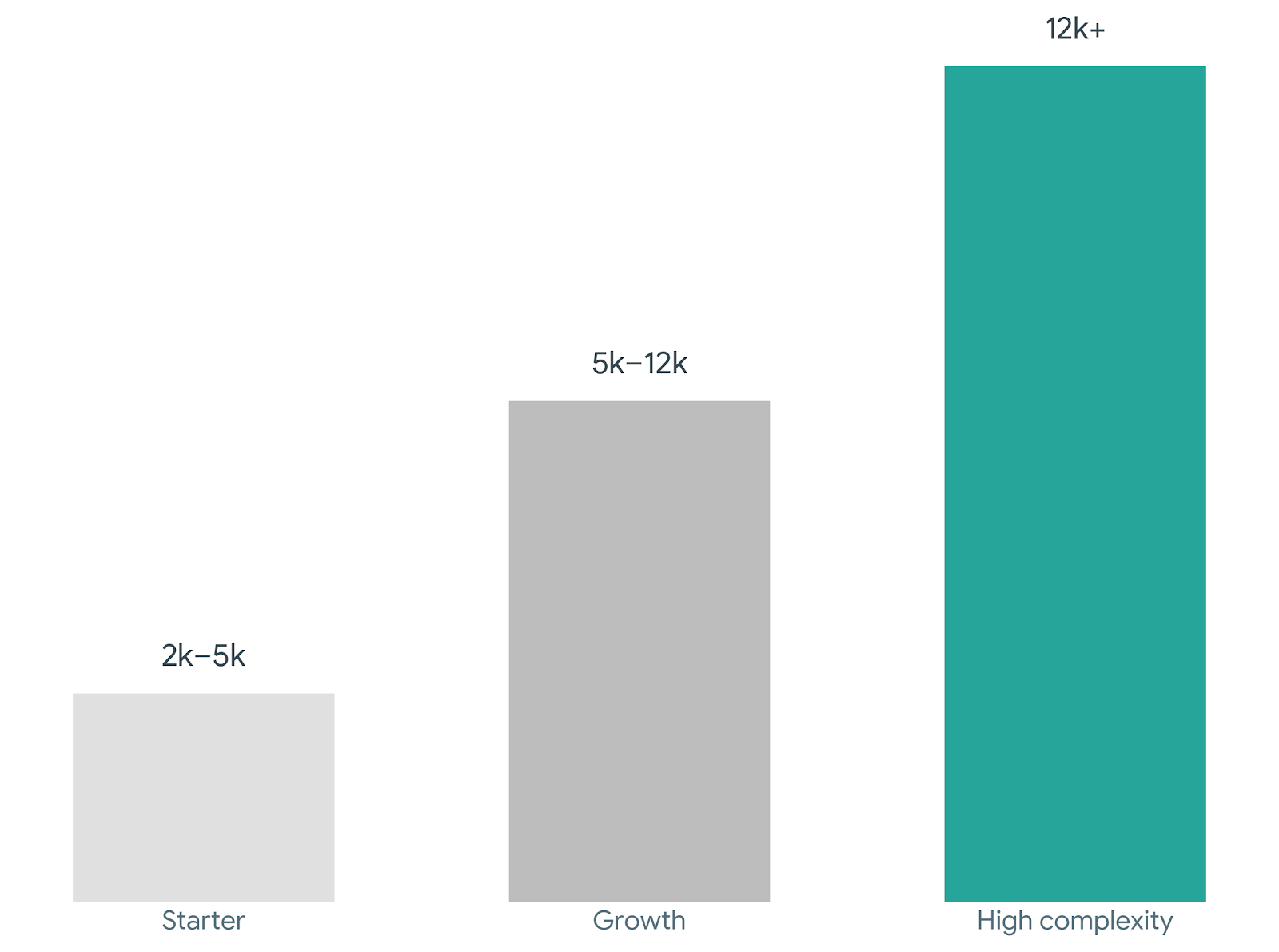
Starter tier - 2,000 to 5,000 dollars
This tier works for simple physical products, compact stories, and founders who are comfortable on camera. You already have a clear prototype and can film in one or two locations without heavy logistics.
What is usually included:
- Pre production planning call and simple script outline
- Half day to one full day shoot in a single city
- Basic lighting and audio setup
- Product close ups and simple lifestyle scenes
- Core edit with basic graphics and captions
- One short cut down for ads
This level is common for lower to mid five figure goals, or for relaunches that already have some existing footage and proof.
Growth tier - 5,000 to 12,000 dollars
This range fits campaigns that need more scenes, more angles, and more polish. Many serious hardware, design, and board game projects sit in this band.
What is usually included:
- Pre production workshop with script, storyboard, and shot list
- One to two full shooting days, sometimes with two small crews
- Multiple locations or sets
- On screen graphics to explain features, specs, or game flow
- Voice over recording or guided founder script coaching
- Several cut downs for ads and social media
- Space in the budget for a few rounds of edits and refinements
If you are aiming for six figures or more in funding and your margins are healthy, this level often makes sense. You get flexibility to tell the story properly while still keeping costs under control.
High complexity tier - 12,000 dollars and beyond
At this level, the project usually requires one or more of the following: 3D animation, complex motion graphics, extensive travel, larger cast, or heavy set design. This is sometimes necessary for technical products where internal workings must be visualised, or for campaigns that need a very strong visual identity for later brand use.
Most creators do not need this tier for a first campaign. If your margins are tight or your team has never launched before, it is often better to keep the video scope lean and reserve budget for traffic and testing.
How to decide your Kickstarter video budget
Match video spend to your funding goal and margins
Before locking any quote, work backwards from your goal and your product margins. A product with a strong margin and a realistic goal can support a higher creative budget than a product with thin margins or a goal that already stretches reality.
Simple way to think about it:
- If your funding goal is under 50,000 dollars, think hard before going past 7,000 dollars on video and photography combined.
- Between 50,000 and 150,000 dollars, video budgets between 5,000 and 12,000 dollars can make sense if the rest of the funnel is planned.
- Above 150,000 dollars, treat video as part of a full creative system that also feeds ads, email, and post campaign marketing.
Balance video against ads and other marketing costs
A good launch plan needs both strong creative and traffic. If all the money goes into the shoot and nothing is left for ad testing, even the best video will sit in the dark.
As a rough rule of thumb that we use internally, we like to see at least twice as much budget for traffic and pre launch validation as for video. So if a creator wants to spend 8,000 dollars on the main video and photography, we want to see at least 16,000 dollars reserved for pre launch ads, list building, and live campaign scaling.
Use your video beyond Kickstarter to increase ROI
The more places you can use the footage, the more reasonable a higher budget becomes. A well planned shoot should give you:
- The main Kickstarter video
- Several short cut downs for Meta, TikTok, and YouTube ads
- Clips for your website and post campaign ecommerce store
- Assets for email, social posts, and retailer pitches
When we plan shoots at BoostYourCampaign, we explicitly list the deliverables for launch and for the next twelve months, so that every shot earns its place in the schedule.
How BoostYourCampaign thinks about Kickstarter video budgeting
Our principle: validate the offer, then scale the story
We rarely begin with a giant video budget on day one. Instead, we first validate that people actually want the product through pre-launch ads, landing pages, and email signups. Once we see cost per lead and reservation data that makes sense, we lock in the final video concept and spend.
This lets us:
- Avoid over investing in products that are not ready
- Shape the script around what the data says people care about
- Produce cut downs that match proven hooks from the ad testing phase
In house video studios in the US and Europe
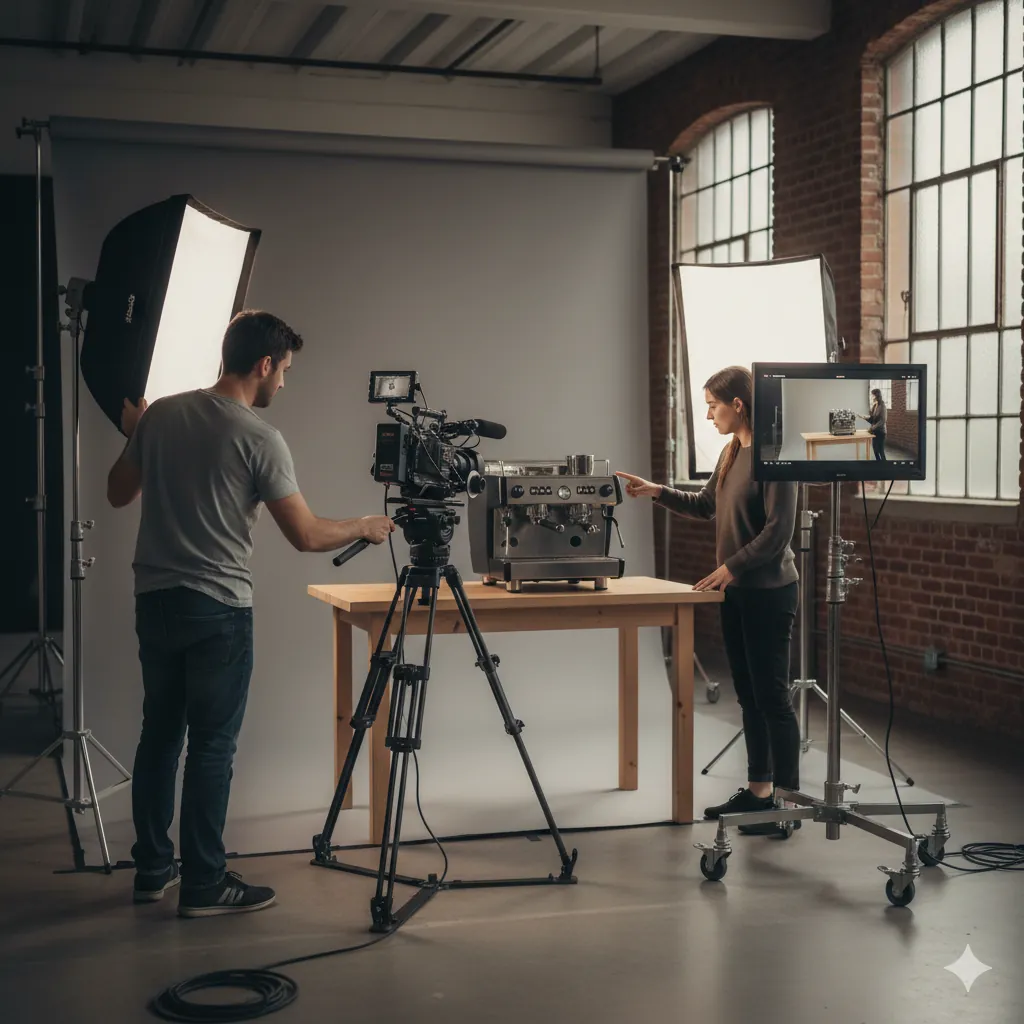
Because BoostYourCampaign runs its own video studios in the US and Europe, we are able to keep production and marketing aligned. The same team that later runs your ads is involved in scripting and planning the shoot. This reduces waste, shortens feedback loops, and keeps the creative grounded in real performance data.
Depending on your location and category, we will suggest either our European studio, our US studio, or a hybrid plan that reuses existing assets and tops them up with targeted shooting days.
Skin in the game where it makes sense
For some projects, we are willing to put our own money into ads in return for a performance based kickback on sales at the end of the campaign. In those cases, we are even more strict about how video budgets are set, because we are sharing risk on the traffic side. This usually means a lean, conversion focused concept rather than an expensive "brand film" that does not help with backer acquisition.
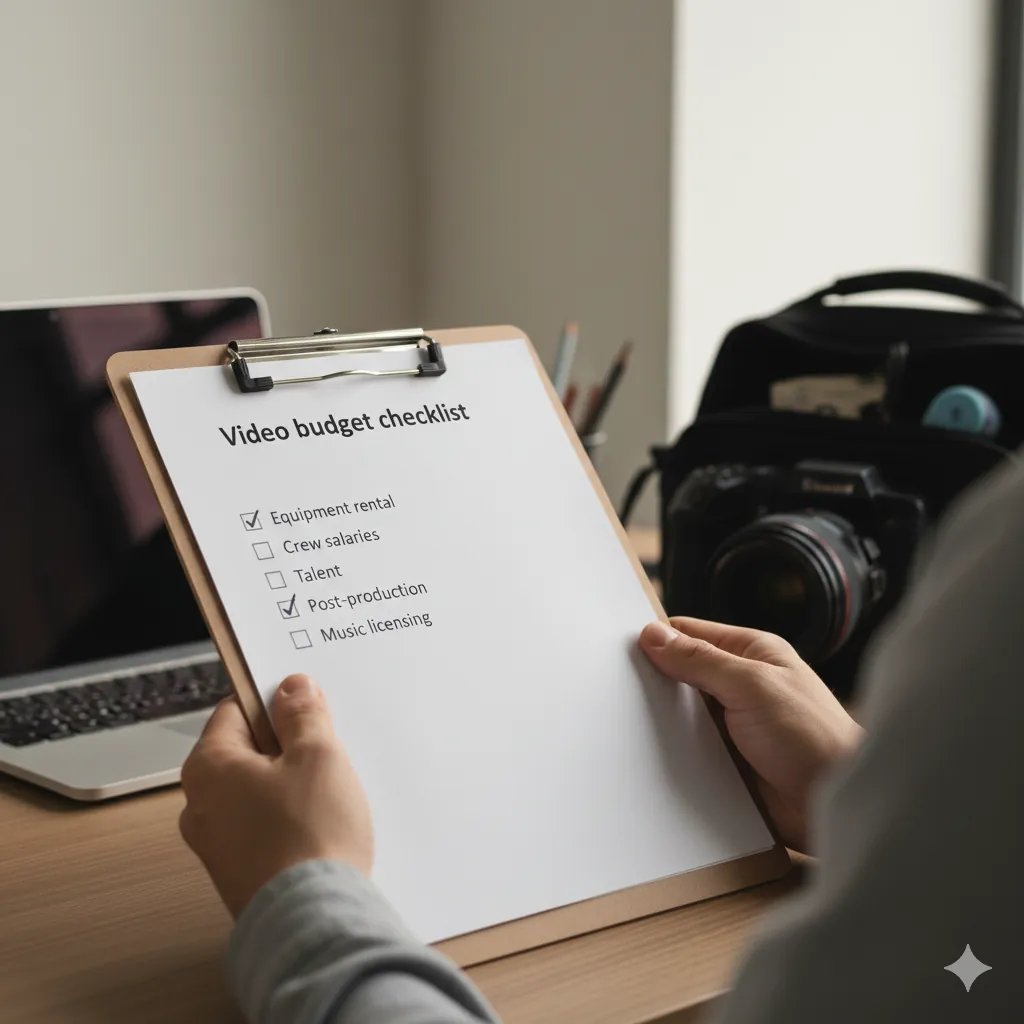
Checklist before you sign a Kickstarter video quote
Questions to ask yourself
- Does this budget still leave enough room for pre-launch ads, list building, and live campaign scaling
- Have we already tested our main hooks and angles with basic creative
- Do we have a clear script outline that matches what is actually converting in tests
- Are we paying for scenes or effects that look nice but do not help conversion
- Do we know exactly what deliverables we will receive from this shoot
Questions to ask any video provider
- What is included and what is not included in this quote
- How many shooting days and locations are planned
- How many rounds of edits are included
- Which formats and aspect ratios will we receive for ads and social media
- Who owns the raw footage and final files
If a provider cannot answer these questions clearly, pause before you sign. For serious campaigns, it is often better to work with a team that understands both video and Kickstarter marketing, so the creative and performance sides stay in sync.
FAQ: budgeting for your Kickstarter video in 2025
Is it worth paying more than 10,000 dollars for a Kickstarter video
It can be, but only when the rest of the numbers also make sense. If you have a realistic chance of reaching six figures or more, strong margins, and a plan for using the footage beyond Kickstarter, a five figure video budget can be justified. If your margins are tight and your goal is modest, it is often safer to stay in the starter or growth tier and invest more in validation and ads.
Can I reuse older footage to lower my video budget
Yes, and it is often smart to do so. Many campaigns combine existing product footage with a fresh founder piece to camera, updated overlays, and tighter editing. The key is to make sure the story and quality feel consistent throughout the video.
What if I really have no budget for professional video
You can still launch, but you need to be realistic about your odds. In that situation, focus on clean audio, clear lighting, honest storytelling, and simple shots that show the product doing its job. It will not look like a polished commercial, but it can still work for smaller goals if everything else is strong.
How does BoostYourCampaign handle video budgets for new creators
We start with your goal, margins, and total marketing budget. Then we map out what is required for validation, pre-launch list building, and live campaign support. Only after that do we suggest a video scope that fits the whole funnel. If we cannot see a path where the video budget makes sense inside the full plan, we will tell you so before anyone starts shooting.
How do I get a sense of realistic numbers for my project
The fastest way is to walk through your product, funding goal, and available budget with a team that has done this many times. On a short clarity call, we can usually tell you whether a starter, growth, or high complexity video budget makes sense, and how to connect it to a full launch plan instead of treating it as a separate decision.
Related guides
- Video for Kickstarter in 2025: complete guide for product creators
- Kickstarter video production: timelines, costs, and choosing a studio
- Kickstarter video script and storytelling guide for 2025
- Kickstarter marketing cost and budget guide for 2025
- Complete Kickstarter marketing guide for 2025
Ready to give your campaign the best shot?
We've helped 4,600+ creators raise over $734M since 2010. Let's pressure-test your launch plan and find the highest-leverage fixes before you go live.
Talk to an expert →