Kickstarter and Indiegogo publish aggregate success rates by broad category, not a dedicated photography-and-camera-gear breakdown, so treat any single precise percentage you find online as a snapshot, not a permanent number, and check the platform's own stats page for the current figure. What we can say with confidence from running campaigns in this category: photography and camera gear behaves like a harder version of general tech, because backers are unusually technical, expect real sample output rather than renders, and compare every claim against established camera brands before pledging.

Search for "crowdfunding success rate for photography gear" and you'll find a lot of confident-sounding numbers with no visible source. The honest answer is that neither Kickstarter nor Indiegogo publish a category breakdown this granular; camera and photography hardware gets folded into their broader technology and design categories on the public stats pages, so any specific percentage you see quoted for this exact niche should be treated as an estimate, not an official figure. What we can speak to directly is the pattern we've seen running campaigns in this category since 2010: photography and camera gear is one of the more technically demanding categories to fund, and the campaigns that succeed share a specific, repeatable set of characteristics that has nothing to do with luck.
Why photography gear is a distinct sub-category, not just "tech"
It's worth separating this category into its actual sub-segments before going further, because "photography and camera gear" covers products that behave quite differently from each other. A full camera body competes against decades of engineering from a handful of dominant manufacturers and carries the highest bar for credibility. A lens adapter, tripod system, lighting rig, or camera accessory faces a lower bar because it's solving a narrower, more specific problem rather than trying to replace a backer's primary camera. Most successful crowdfunded photography products fall into that second group, precisely because they don't have to win an unwinnable fight against established camera manufacturers on core image quality.
Camera and photography backers are unusually well-informed compared with the average crowdfunding audience. Many are hobbyists or working photographers who already own several thousand dollars of gear from established brands, and they evaluate a new product against that gear directly, not against an abstract idea of what a camera "should" do. That audience asks harder technical questions in the comments, scrutinizes sample images and footage pixel by pixel, and is unusually quick to call out a spec sheet that doesn't match what a prototype video actually shows.
This cuts both ways. A campaign that can back up its claims with real output, actual photos and footage shot on a working prototype, wins a level of trust that's hard to earn in other categories, because the audience knows exactly what they're looking at. A campaign that leans on renders, mockups, or vague spec language gets torn apart in the comments faster than almost any other category, because the audience has the technical literacy to spot the gap immediately.
What the platforms' own published numbers actually tell you
Kickstarter's official stats page reports aggregate success rates for its broad category groupings, including Technology and Design, and those figures move over time as the platform's mix of projects shifts. Camera and photography hardware typically gets grouped inside Technology or a Photography sub-category depending on how the platform is currently organizing its taxonomy. Rather than quoting a specific percentage here that will be stale within months, the useful move is to check the current figure directly on Kickstarter's own stats page before you set expectations, and to treat whatever you find as a category-wide average across projects of wildly different quality and preparation, not a prediction for any specific campaign.
What the aggregate number can't tell you, and what actually matters for planning your own launch, is the split between campaigns that funded because of a validated audience and clear execution, and campaigns that failed because of the specific, avoidable mistakes covered below. A category average blends both groups together, which makes the raw percentage far less useful than understanding which side of it your own preparation puts you on.
Choosing a platform for camera hardware specifically
Kickstarter's larger, more engaged tech and photography backer base generally gives camera and optics products more organic discovery than Indiegogo, and its all-or-nothing funding model can work in this category's favor: a camera product that clearly won't hit its goal signals early that the market isn't there yet, before you've committed to a full production run based on a partial, flexible-funding raise. Indiegogo's flexible funding option and Late Pledge (formerly called InDemand) continuation can suit a camera accessory with a smaller, more predictable niche audience, where the creator already has a warm list and doesn't need Kickstarter's larger discovery engine as much.
Whichever platform you choose, camera hardware backers move between both, reading reviews, comparing specs, and discussing campaigns across photography forums that don't care which platform hosts the pledge. Our Kickstarter vs. Indiegogo comparison covers the platform-level tradeoffs in more depth; for this specific category, the deciding factor is usually less about platform mechanics and more about which platform's audience your pre-launch outreach has already built trust with.
What separates funded photography campaigns from failed ones
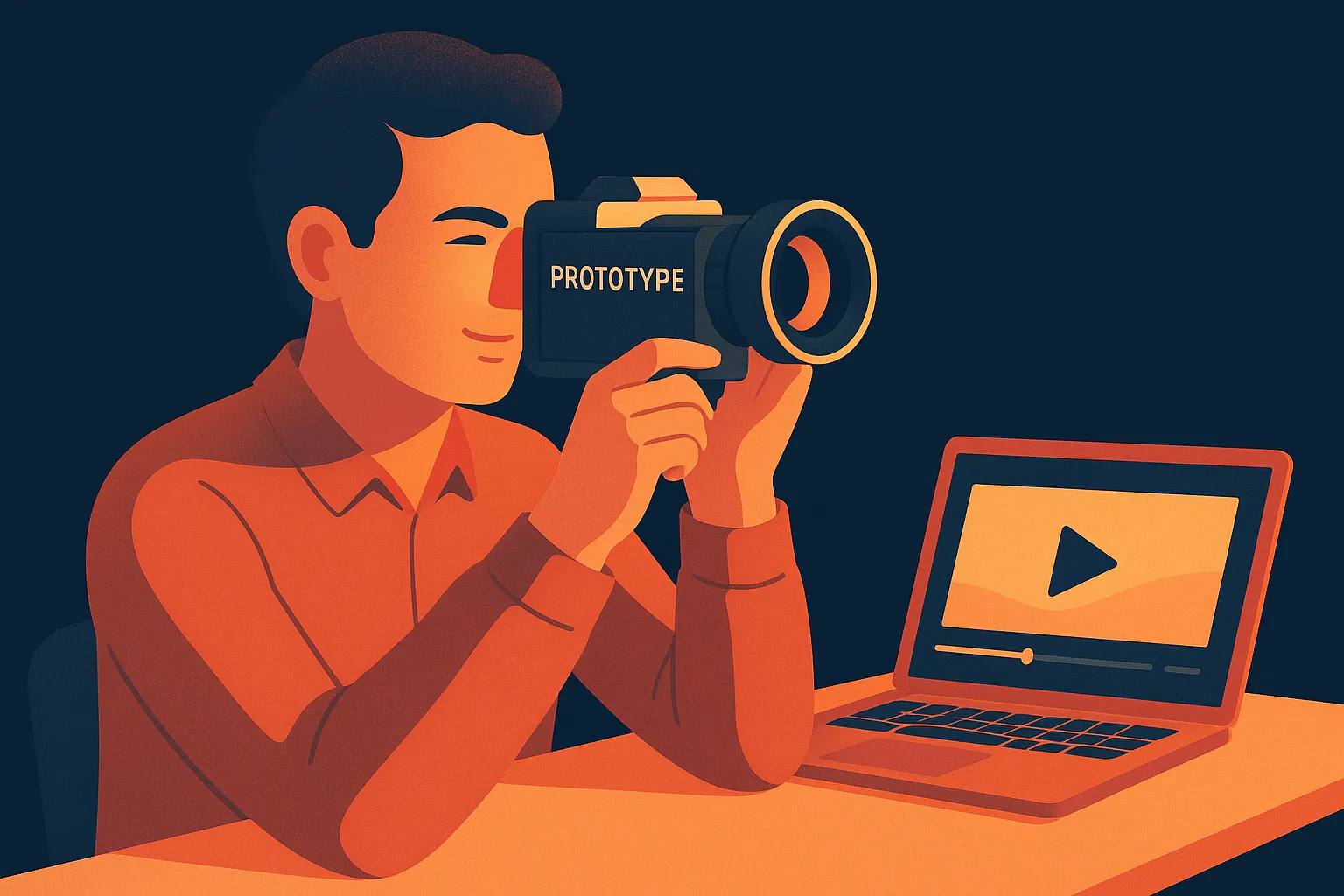
The single biggest differentiator we see is whether the campaign shows real output from a working prototype before asking anyone to pledge. Getting sample units into the hands of photography reviewers and YouTube creators ahead of launch, so their independent footage and photos exist alongside your own campaign video, does more to establish credibility in this category than almost any other tactic. A camera product review from a known creator, showing real images shot on a real unit, is worth more to a skeptical photography audience than any amount of polished marketing copy.
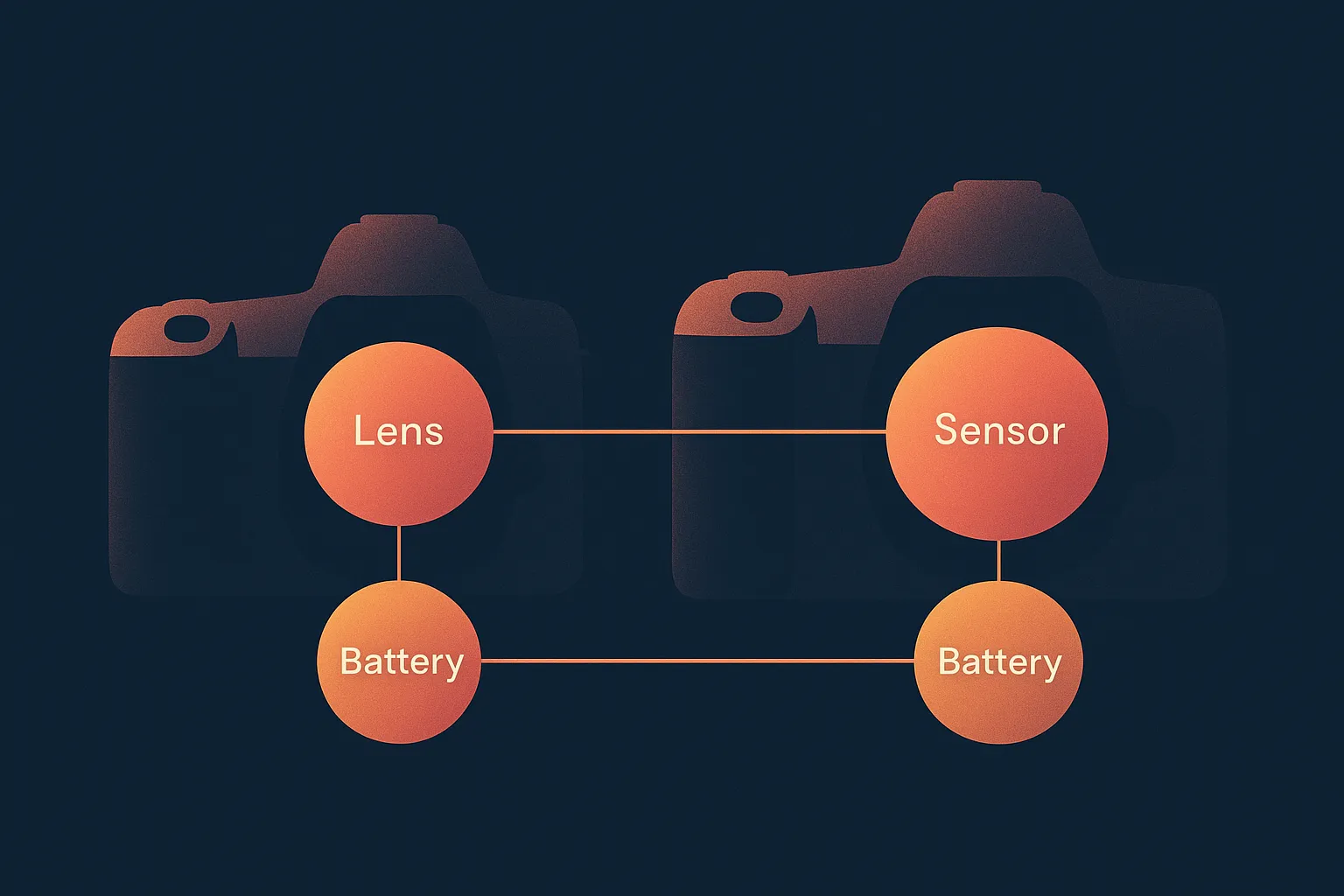
Technical specification transparency is the second major factor. Camera backers will ask about sensor size, aperture range, low-light performance, codec and bitrate for video, battery life under real shooting conditions, and compatibility with existing lens systems, often in the first wave of comments. Campaigns that answer these questions directly and specifically, ideally pre-empting them in the campaign page itself, build trust fast. Campaigns that respond vaguely or defensively lose momentum just as fast, because this audience reads evasiveness as a sign the product isn't actually finished.
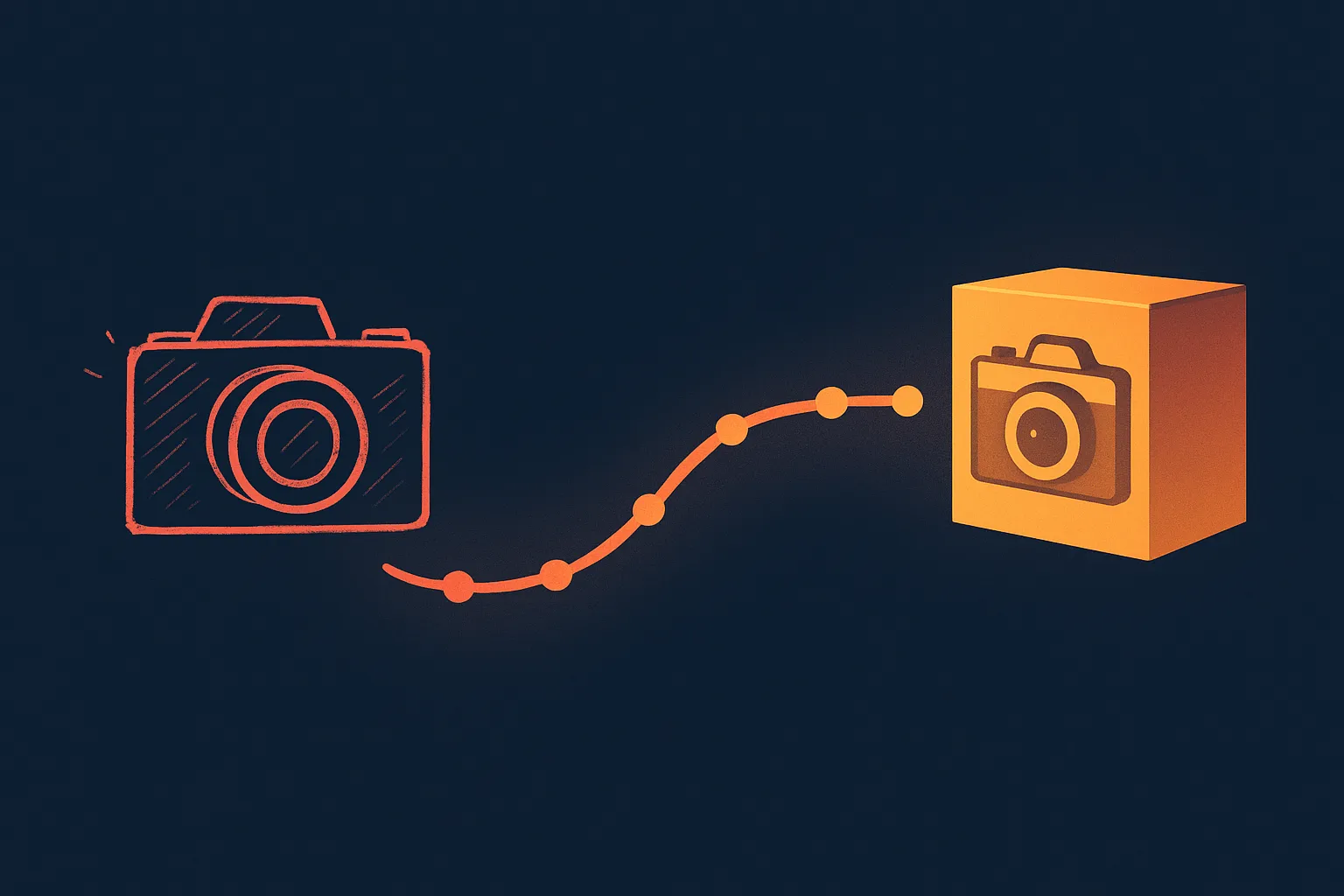
Differentiation against established brands is the third factor, and it's where a lot of campaigns quietly fail before they even launch. A new entrant competing directly against a major camera manufacturer on general image quality alone is fighting a battle it usually can't win with crowdfunding-scale resources. The campaigns that succeed usually own a specific, narrow use case an established brand doesn't serve well, a particular form factor, a specific accessory category, or a workflow integration that solves a real, specific frustration for a defined type of shooter, rather than trying to be a better camera than everyone's camera.
Funding goals and pricing patterns typical for this category
Camera hardware tends to carry higher unit costs than most consumer electronics categories, driven by optics, sensors, and precision manufacturing tolerances that don't compress the way simpler plastic-and-electronics products do. That pushes typical funding goals and pledge price points higher than a general gadget campaign, and it means the same landed-cost-times-multiple pricing discipline that applies to any hardware campaign matters even more here, because the margin for error on a $400 camera accessory is much larger in absolute dollars than on a $40 one.
| Factor | Funded pattern | Failed pattern |
|---|---|---|
| Product proof | Real photos/footage from working prototypes, independent reviewer coverage | Renders, mockups, vague "coming soon" language |
| Spec transparency | Direct answers to sensor, low-light, codec, battery questions upfront | Vague or defensive responses in comments |
| Positioning | Owns a specific, narrow use case existing brands underserve | Competes broadly against established brands on general quality |
| Timeline claims | Conservative, built from a real manufacturing quote | Aggressive ship date with no hardware production buffer |
Building a pre-launch audience in a niche that already has its own communities
Photography and camera gear has an advantage most crowdfunding categories don't: a set of pre-existing, highly engaged communities that already discuss gear obsessively, long before your campaign exists. Photography-focused forums, camera-specific subreddits, and YouTube channels built around gear reviews and comparisons are where your actual audience already spends time evaluating new equipment, which makes them a far more efficient place to build a pre-launch list than generic social advertising alone.
The same rule that applies to tabletop and hobby communities applies here even more strictly: participate as a real, informed member of these spaces well before you ever mention your campaign, and follow each community's self-promotion norms exactly, because a photography audience is unusually quick to detect and punish a drive-by pitch from an account with no history. A creator who has genuinely engaged with a photography community for months before launch, answering questions and sharing real progress on the product's development, arrives at launch with a level of built-in trust that no amount of paid advertising can buy in this category.
Reviewer and creator outreach deserves its own dedicated timeline, separate from your general pre-launch marketing. Photography YouTubers and reviewers typically need weeks to properly test a sample unit and produce a considered review, not days, so sample units need to ship to your priority reviewer list well before your intended launch date, not the week before. A rushed review from a creator who only had 48 hours with the product tends to read as rushed on camera too, which undercuts the credibility you were trying to build by sending the sample in the first place.
Fulfillment and post-ship support: where camera hardware costs more than it looks
Camera and photography hardware carries a support burden after shipping that's larger than most consumer electronics categories, and creators who budget only for manufacturing and shipping routinely get blindsided by it. Firmware updates are often still being refined after the first units ship, since real-world shooting conditions surface edge cases no amount of pre-launch testing fully replicates, which means budgeting for a post-launch firmware development and support cycle, not treating "shipped" as "finished."
Calibration and quality variance is a second cost center specific to optical hardware. Small manufacturing tolerances that don't matter for a phone case can produce a noticeably soft image or color shift in a camera product, and backers in this category will notice and compare units with each other in community threads. Building in a real quality-control and replacement process for units that fall outside acceptable tolerance, rather than treating every unit as identical by default, protects both your margin and your reputation with an audience that talks to each other constantly.
Warranty and defect handling also runs heavier here than in most categories, because photography backers use their gear hard and notice failures quickly, then discuss them publicly in the same communities you built your pre-launch audience in. Budgeting real customer support capacity, not just a shared inbox someone checks occasionally, for the months immediately after shipping is not optional overhead for this category, it's part of what determines whether your next product from the same brand gets a warm reception or a skeptical one. Our guide to shipping without destroying your margins covers the general version of this planning discipline, though camera hardware specifically deserves an even larger support buffer than the guide's baseline recommendation.
Realistic timelines: why camera hardware is prone to delay
Optical components, image sensors, and the firmware that ties them together add real complexity on top of the standard hardware manufacturing timeline, and camera campaigns are notorious for shipping later than promised, a pattern backers in this category are acutely aware of. Sensor sourcing can shift mid-production, firmware that looked stable in a demo unit often needs months of additional tuning once real production units are in testers' hands, and optical tolerances that were fine on a handful of prototypes can reveal yield problems at full production scale that never showed up earlier.
The campaigns that keep backer trust through a delay are the ones that built a conservative timeline from a real manufacturing quote in the first place, then over-communicate during production with specific, honest updates rather than vague reassurance. The campaigns that lose trust are the ones that promised an aggressive date with no real production buffer and then went quiet when that date started slipping. Our guide to realistic Kickstarter timelines covers the general version of this planning discipline in more depth.
Video requirements are stricter for camera products than almost any other category
Every crowdfunding category benefits from a strong video, but camera and photography products face a uniquely high bar: the campaign video itself is judged, implicitly, as a demonstration of what the product can capture. A camera or lens accessory campaign shot on a shaky phone with poor lighting sends a contradictory signal before a single spec is read, because the audience's first instinct is to evaluate the footage quality as evidence of the product's own capability, even when the two are unrelated.
The strongest photography campaign videos include actual sample footage and stills captured on the product itself, clearly labeled as such, alongside the standard explainer content. Side-by-side comparisons against a well-known reference camera or existing gear, shot under matched conditions, do more to establish real credibility with this audience than any amount of narrated claims about specifications. If the product genuinely performs well, showing that performance directly is far more persuasive than describing it, and if it doesn't yet perform at a level worth showing, that's a signal the campaign may be launching before the product is ready.
What this means for planning your own launch
If you're bringing a camera or photography product to crowdfunding, treat the technical audience as an asset, not an obstacle. Get real sample units into reviewers' hands before launch, so independent footage exists alongside your own. Answer the hard spec questions on the page itself before someone has to ask in the comments. Find the specific, narrow use case your product owns rather than competing broadly against brands with decades of manufacturing scale. And build your timeline from a real quote with real buffer, because this category's backers have seen enough camera campaigns slip that a conservative, well-communicated timeline is itself a trust signal.
For the broader hardware playbook this category sits inside, our guide to tech and gadget crowdfunding marketing covers audience building and campaign structure for hardware more generally, and our breakdown of finding a manufacturer covers the sourcing and quality-control side that camera hardware depends on more than most categories.
None of this makes photography and camera gear a category to avoid. It makes it a category that rewards genuine preparation more visibly than most, because the same technical audience that will pick apart a rushed campaign in the comments will also become some of your most vocal, credible advocates once you've earned their trust with real proof and honest answers. The gap between a funded camera campaign and a failed one is rarely about the underlying product idea; it's almost always about how much of that preparation happened before launch day rather than being figured out in public afterward.
- Get sample units into photography reviewers' and creators' hands before launch, so independent real-world footage exists alongside your own campaign video.
- Answer sensor, low-light, codec, and battery questions directly on the page before backers have to ask.
- Own a specific, narrow use case rather than competing broadly against established camera brands.
- Build your funding goal and timeline from a real manufacturing quote, including buffer for optics and firmware iteration.
- Check Kickstarter's own current stats page for category success rates rather than trusting an uncredited percentage found elsewhere.
- Over-communicate during production; this audience has seen enough delayed camera campaigns to reward transparency and punish silence.
Frequently Asked Questions
What is the success rate for camera and photography crowdfunding campaigns?
Neither Kickstarter nor Indiegogo publish a dedicated photography-gear breakdown; this category is folded into broader Technology or Design groupings on their public stats pages. Check the platform's current stats page for the aggregate figure, and treat it as a category-wide average, not a prediction for any specific campaign.
Why do camera crowdfunding campaigns get delayed so often?
Optical components, image sensors, and firmware add complexity on top of standard hardware manufacturing, and issues that don't show up in early prototypes, like sensor sourcing shifts or optical tolerance problems at scale, often surface only once full production begins.
What matters most for a photography gear campaign to fund?
Real photos and footage from working prototypes, ideally including independent reviewer coverage, direct answers to technical spec questions, and a clear, narrow use case the product owns rather than competing broadly against established camera brands.
Should I compete directly with major camera brands on image quality?
Generally no. Crowdfunding-scale resources rarely out-execute established manufacturers on general image quality. The campaigns that succeed usually own a specific accessory category, form factor, or workflow that existing brands underserve.
How should I price a camera or photography accessory campaign?
The same landed-cost-times-multiple discipline that applies to any hardware campaign applies here, but the absolute dollar margin for error is larger given camera hardware's higher unit costs, so get a real manufacturing quote before setting a public price.
Should I launch a full camera body or a camera accessory first?
Accessories, lens adapters, lighting, tripod systems, generally face a lower credibility bar than a full camera body, because they solve a narrower problem instead of asking backers to trust an unproven company with their primary camera. Most successful crowdfunded photography products are accessories for exactly this reason.
Planning a camera or photography hardware launch and want a second opinion on positioning and timeline? Book a free strategy call and we'll walk through what we've seen work in this category.
Want results like these for your campaign?
We've helped 4,600+ creators raise over $734M. Let's pressure-test your launch plan and find the highest-leverage fixes before you go live.
Book a free strategy call →Get the free 87-step launch checklist
The exact pre-launch, live-campaign and fulfillment steps we use across 4,600+ launches. Free PDF, emailed instantly.
You're in - check your inbox. Open the checklist now ->