Manufacturing a product and marketing it to Western backers are two different skill sets. If you want help with the second one, talk with BoostYourCampaign about your product and target launch window.
A Chinese brand or manufacturer launching on Kickstarter or Indiegogo usually already has the hardest part solved: a working product and a production line that can scale. What's missing is almost never fulfillment capacity - it's a campaign built for a US and European audience that has never heard of the company, doesn't recognize the factory name, and has been burned before by crowdfunding products that shipped late or arrived nothing like the renders. The agencies most visible in this space are logistics-only providers: they warehouse and ship, but they don't write ad copy, build a campaign page, run paid media, or manage backer trust during a live launch. That gap between "can manufacture it" and "can market and fulfill it to a Western audience" is where most China-based campaigns lose money they didn't need to lose.
- Manufacturing is rarely the bottleneck - Chinese brands often already have tooling, QC, and scale that Western creators spend months building.
- Marketing to a foreign audience is a different skill - copywriting, ad targeting, and page structure for US/EU backers need dedicated expertise, not a translated version of a domestic listing.
- Trust has to be built explicitly - backers are more cautious about unfamiliar overseas brands, and the page needs to answer that directly instead of hoping it goes unnoticed.
- Platform choice affects positioning - Kickstarter and Indiegogo treat overseas-manufactured hardware differently in review and discovery.
- Customs and tariffs shape landed cost - shipping direct from China versus pre-positioning stock in US/EU warehouses changes both delivery time and backer-facing shipping charges.
- Fulfillment-only providers solve one problem - warehousing and shipping matter, but they don't fix a page that doesn't convert or an ad account that isn't finding the right audience.
1) Manufacturing strength does not automatically translate into a funded campaign
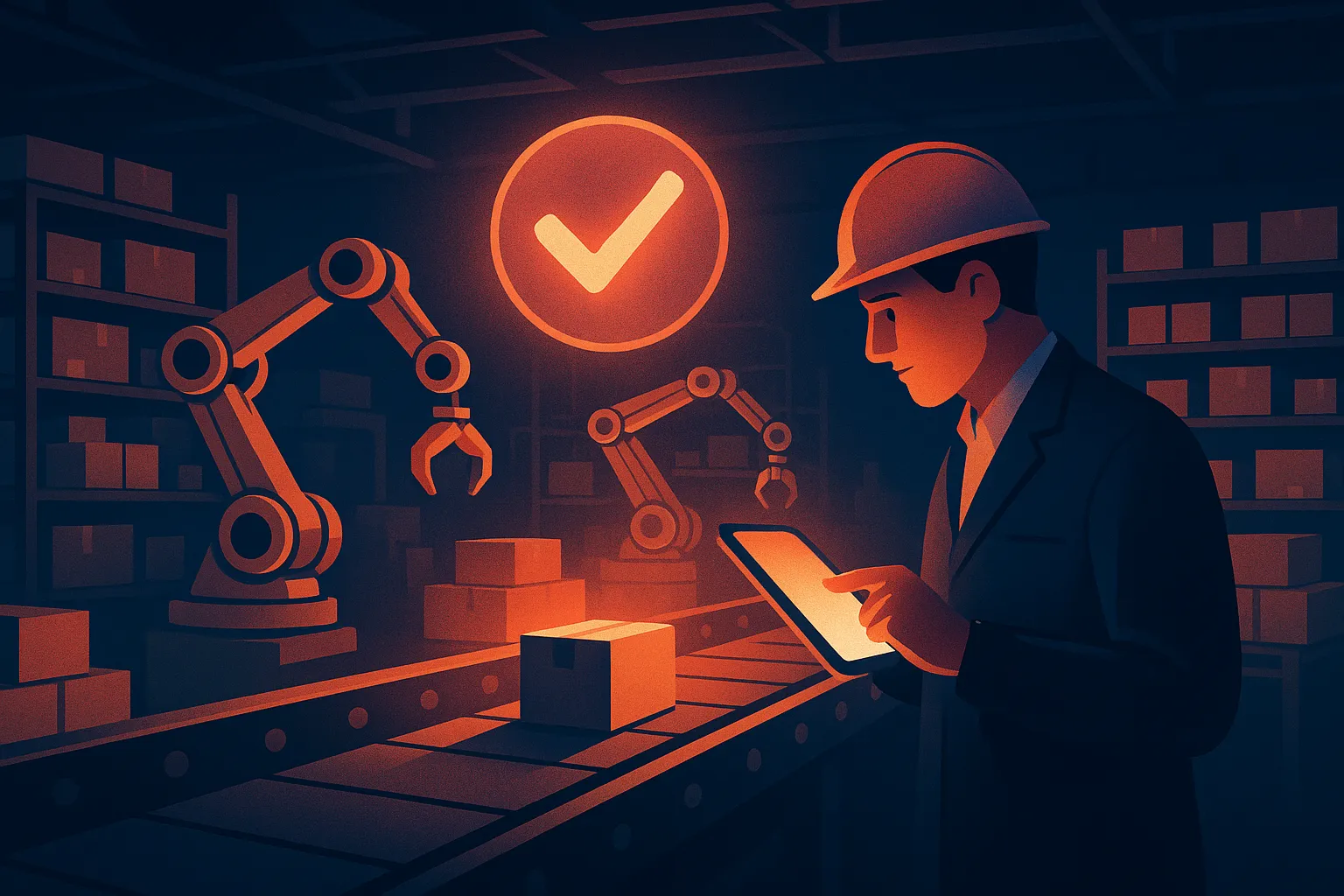
A lot of Chinese brands come to crowdfunding from the opposite direction of most Western creators. Instead of starting with an idea and scrambling to find a factory, they start with the factory, the tooling, and often years of OEM or private-label experience making the exact category of product they now want to sell under their own name. That's a real advantage. It means production timelines are more predictable, minimum order quantities are lower, and quality control processes already exist instead of being invented under launch pressure.
None of that solves the marketing problem, though. A campaign page that reads like a spec sheet, translated ad copy that misses the emotional hook Western backers respond to, and a Facebook or Google ad account with no history targeting US or EU buyers will underperform even a genuinely excellent product. Crowdfunding platforms reward campaigns that generate outside traffic and convert it well in the first 48 hours - that's a marketing and copywriting problem first, not a manufacturing one.
The brands that do this well usually split the work deliberately: keep production and QC in-house, where the expertise already exists, and bring in a team that specializes in Western crowdfunding marketing for everything backer-facing. Trying to handle both with a team built for one or the other tends to produce a campaign where either the product or the pitch is weaker than it should be.
2) Overseas trust is not automatic, so the page has to build it on purpose
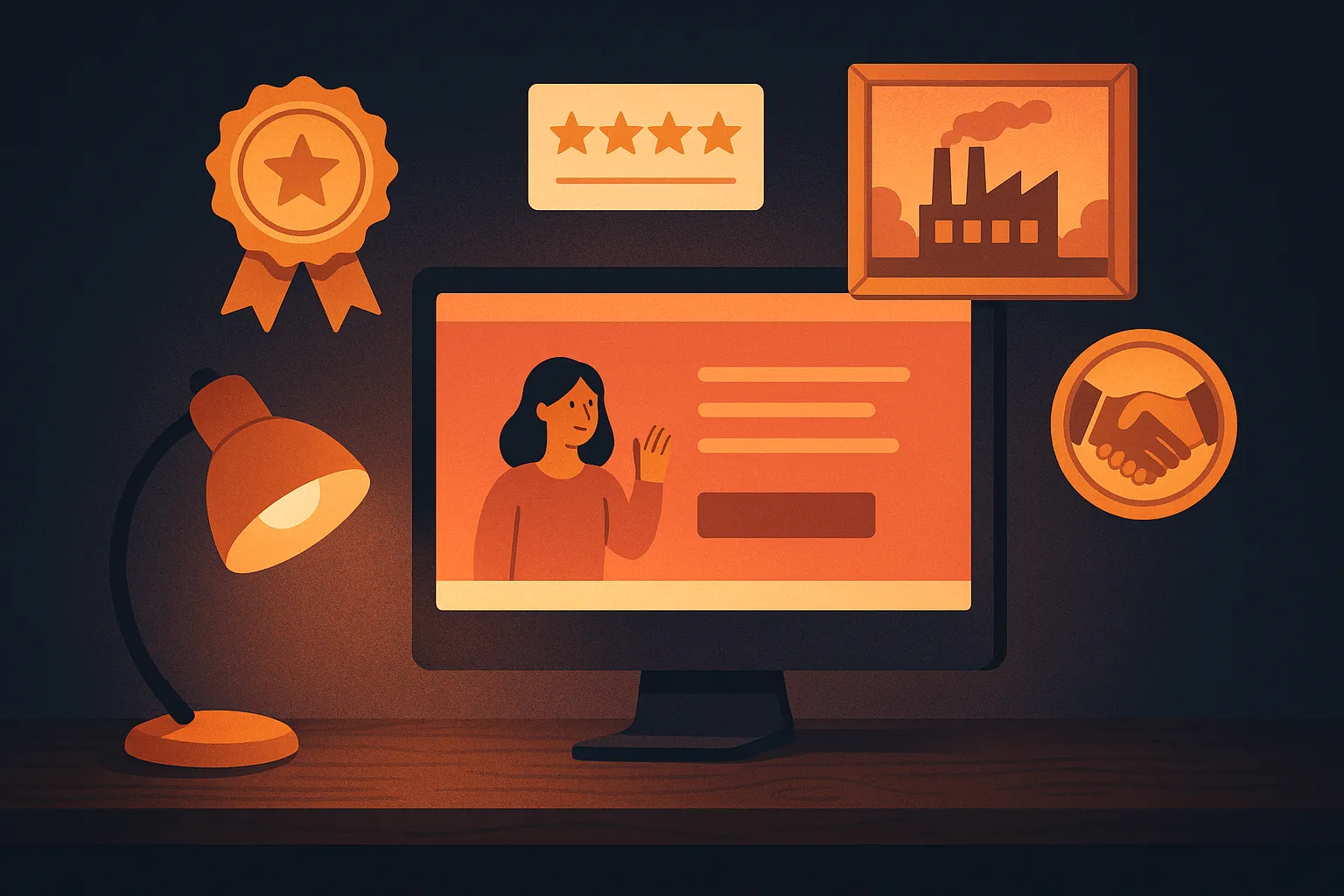
Backers on Kickstarter and Indiegogo have seen enough overseas hardware campaigns go wrong that skepticism is the default, not the exception. A vague "designed with love, made with care" line does nothing to address that. What works is specificity: real factory footage rather than stock renders, a clear explanation of who is behind the brand and where they're based, third-party lab or safety testing results when the category calls for it, and a comparison against a well-known reference product shot under matched conditions rather than described in adjectives.
It also helps to be upfront about manufacturing location instead of treating it as something to downplay. Backers increasingly understand that a huge share of consumer hardware, from phones to home goods, is made in China regardless of which brand sells it. What erodes trust is not the manufacturing location itself, it's vagueness about timelines, ownership, and what happens if something goes wrong. A page that answers "who are you, why should I believe your delivery date, and what happens if you're late" directly converts better than one that avoids the topic.
Update cadence during the live campaign matters just as much as the page itself. Backers watching an overseas campaign want to see regular, specific progress updates, not silence between the funding announcement and the shipping notification months later. A structured update plan, decided before launch, keeps that trust intact through the entire production and fulfillment window.
3) Kickstarter and Indiegogo are not interchangeable for overseas-manufactured products
Kickstarter's discovery algorithm and its "Projects We Love" curation reward polish and clear storytelling, and its audience tends to be more skeptical of anything that reads as a pure import-and-resell listing. Indiegogo, particularly through its InDemand phase (the continued, post-campaign pre-order period that Indiegogo now calls Late Pledge), tends to be friendlier to hardware brands that want an ongoing sales channel after the initial funding window closes, which fits a manufacturer's production economics well since longer runs typically lower unit cost.
Neither platform blocks Chinese-manufactured products, and plenty of category leaders on both platforms are made there. The decision usually comes down to whether the goal is a single, high-intensity funding event (favors Kickstarter) or a longer sales ramp that keeps selling well past the initial 30 days (favors Indiegogo's continuation tools). Some brands run both in sequence, using an initial Kickstarter for launch credibility and press, then moving ongoing sales to Indiegogo or direct ecommerce once the campaign closes.
Category also matters here. Consumer electronics, home goods, and outdoor gear tend to do well from either platform when manufacturing quality is strong. Categories with more regulatory scrutiny in the US or EU, like anything battery-powered, wearable, or child-facing, need compliance documentation (UL, CE, FCC, or equivalent) lined up before launch, not scrambled together after backers start asking.
4) Customs, tariffs, and landed cost decide your real margin
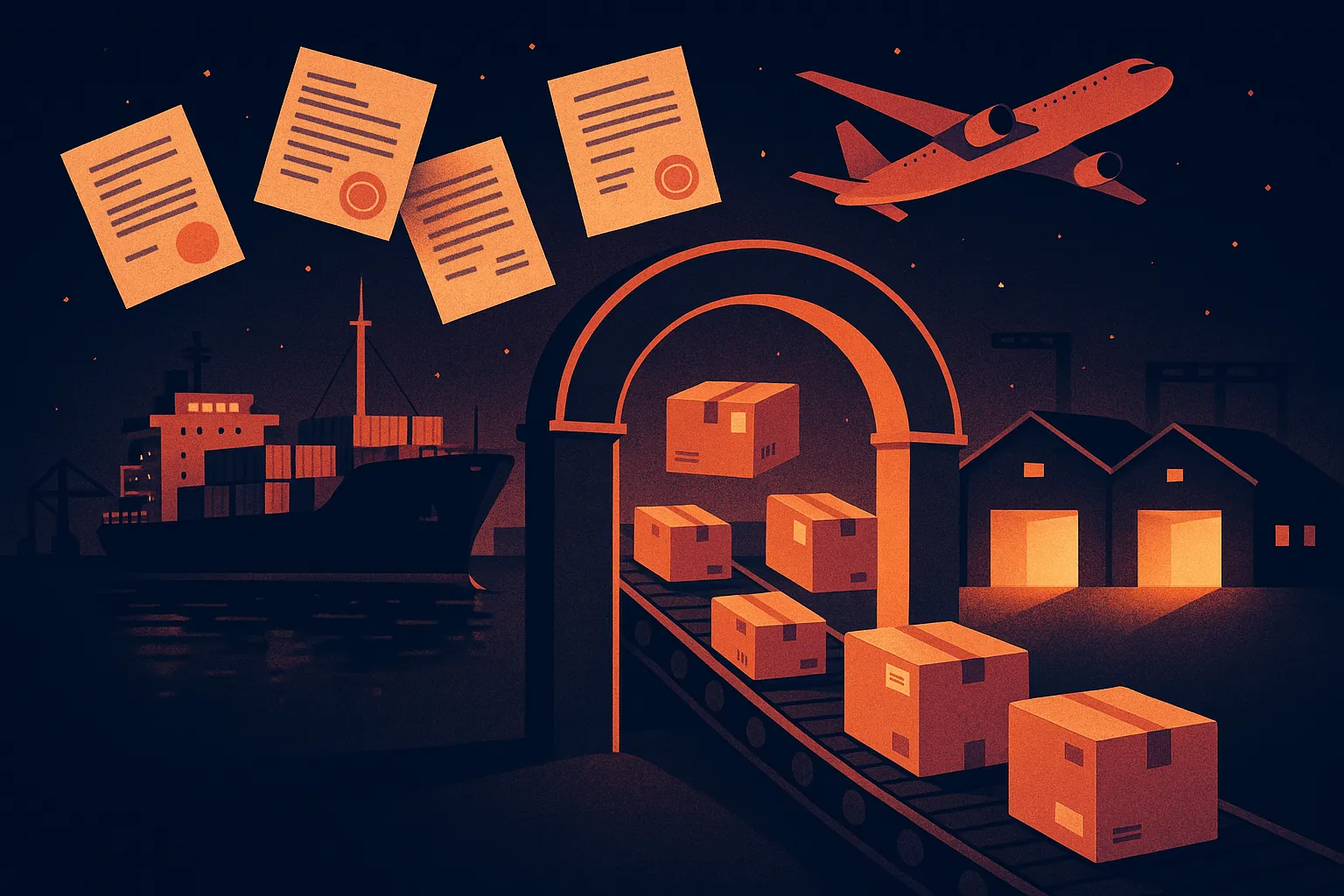
Shipping every single reward directly from a Chinese factory to individual backers in the US and Europe is the default for many first-time campaigns, and it's usually the most expensive and slowest option once you account for per-parcel customs clearance, duties, and the unpredictability of international small-parcel carriers during a launch surge. Tariff schedules on Chinese-manufactured goods have shifted more than once in recent years, and the current landscape makes it worth pricing shipping and duties carefully before setting reward tiers, not after a surprise customs bill eats the margin. Our crowdfunding tariffs guide covers how tariff exposure specifically affects campaign budgeting.
The alternative that most experienced overseas brands move to is bulk freight shipping to an in-region warehouse in the US and separately in the EU, then fulfilling individual backer orders from local stock. This adds an upfront step (getting a full container or pallet shipment through customs as a single commercial import, which has its own paperwork but is far more predictable than thousands of individual parcels) but it dramatically cuts delivery time to backers, lowers per-unit shipping cost, and avoids backers in Germany or France paying unexpected EU import VAT on top of their pledge. Our broader crowdfunding fulfillment companies guide compares this model against direct-ship in more depth.
EU-bound rewards carry an extra layer worth planning for early: VAT and the IOSS (Import One-Stop Shop) framework for lower-value goods. Getting VAT registration and IOSS numbers sorted before launch, rather than after backers start asking why their package is stuck in customs, avoids a wave of support tickets during what should be the highest-goodwill part of the campaign.
5) Fulfillment-only providers solve one part of the problem
Search "crowdfunding fulfillment China" and most of what comes up is exactly that: warehousing, kitting, and international shipping providers based in Shenzhen, Yiwu, or similar manufacturing hubs. They're useful and often necessary for the logistics leg. What they generally don't do is run paid ad campaigns targeting US and EU backers, write and test campaign page copy, manage pre-launch email list building, or coach a first-time overseas brand through platform review and discovery mechanics.
That split creates a common failure mode: a brand hires a fulfillment specialist assuming shipping was the risk, launches with a page and ad strategy nobody with Western crowdfunding experience has reviewed, and the campaign underperforms on traffic and conversion long before fulfillment ever becomes relevant. The fix isn't more warehouse capacity. It's marketing expertise paired with fulfillment that's actually built for this, not bolted onto a general ecommerce 3PL.
6) Which categories from Chinese manufacturers tend to perform best
Consumer electronics, smart home devices, EDC gear, and outdoor and travel accessories are the categories where Chinese manufacturing strength and Kickstarter/Indiegogo backer demand line up most cleanly. These are also categories where backers already expect components and assembly to happen overseas, so there's less of an uphill trust battle than in categories where "handmade" or "small batch" framing is central to the pitch.
Categories that ask more of a Chinese-manufactured campaign include anything positioned as artisanal, locally sourced, or built by a two-person team in a garage, since that framing sits awkwardly next to a large-scale factory operation. It's not that these categories can't work, it's that the marketing angle needs to shift toward engineering quality and design iteration rather than a scrappy-startup narrative that doesn't match the actual production reality.
Battery-powered, wearable, and connected devices carry extra compliance weight (FCC, CE, UL, or equivalent depending on target market) that needs to be resolved before launch rather than promised as in-progress, since backers and platform reviewers both treat safety certification gaps as a real red flag rather than a minor detail.
7) Getting the legal entity and payment setup right before launch
Kickstarter and Indiegogo both require the campaign owner to meet specific creator eligibility rules tied to country and banking, and those rules change from time to time, so it's worth confirming current requirements directly rather than assuming last year's setup still applies. Many Chinese manufacturers launch through a US, UK, or EU subsidiary, a partner entity, or an agency relationship specifically to simplify this step rather than trying to qualify a mainland entity directly.
This decision also affects how funds are taxed and repatriated, so it's worth involving an accountant familiar with cross-border crowdfunding income before the campaign funds rather than after, when the payout structure is harder to change. Getting this wrong doesn't usually kill a campaign outright, but it can turn a straightforward payout into a drawn-out banking and compliance problem at exactly the moment funds are needed for production.
8) Warranty and support after the campaign, for a backer overseas
Backers funding an overseas hardware campaign think about what happens after delivery more than most creators expect. If a unit arrives defective, who handles the replacement, and does it ship from China again or from somewhere closer? A support and warranty plan that's vague on this point creates hesitation at the pledge stage, even for backers who otherwise trust the product.
Having a US or EU return and replacement point, rather than routing every warranty claim back through China, meaningfully shortens the resolution time backers experience and reduces the number of support conversations that turn into public comments on the campaign page. This is one more reason in-region warehousing pays for itself beyond the initial fulfillment run: it also becomes the base for post-campaign support.
How BoostYourCampaign fits
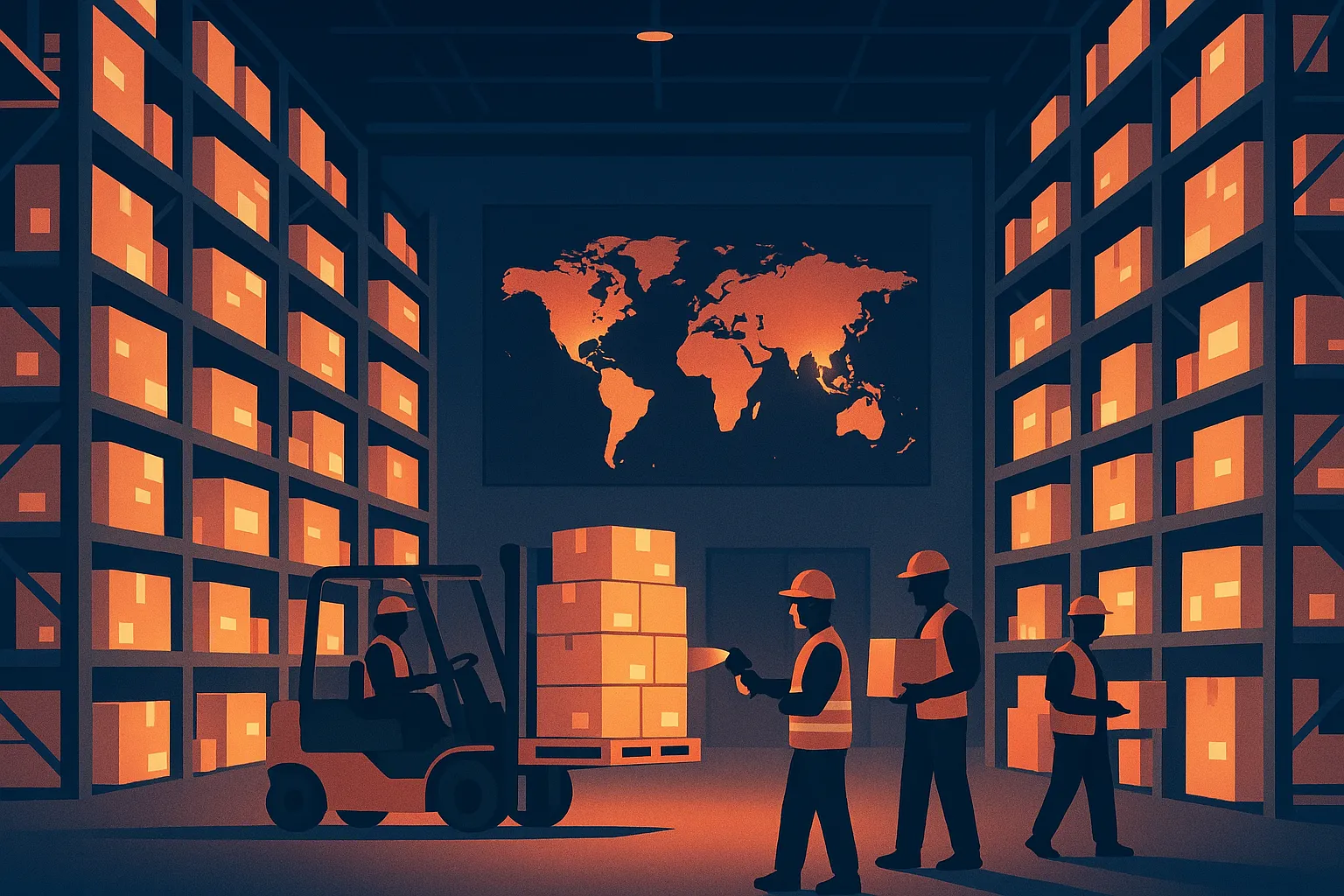
BoostYourCampaign runs a full-stack, done-for-you model: campaign marketing, video production, and fulfillment under one roof, which matters specifically for Chinese brands because it closes the exact gap described above. BYC operates owned video production studios in the US and EU (useful for shooting backer-facing creative that doesn't read as a factory reel) and owned fulfillment warehouses in the US and EU, so rewards can be pre-positioned close to backers instead of shipped parcel by parcel from the manufacturing site.
On the marketing side, BYC uses a skin-in-the-game ad model, investing its own money alongside the client's ad budget with fixed fees rather than a percentage-of-raise commission, which keeps incentives aligned during the paid-traffic phase that most overseas brands have the least experience managing. The agency is an Indiegogo Approved Agency, a Google Premier Partner, a Facebook Marketing Partner, an official Shopify Partner, and an Amazon Partner, and has been active since 2010 across 4,600+ campaigns with $734M+ raised and a 4.9/5 score across 300+ verified reviews, visible on the reviews page.
Beyond the campaign itself, BYC has in-house MVP development support (/services/mvp-development) for brands still finalizing a product ahead of launch, has worked with established ecommerce brands, and can help with introductions to major retailers including Best Buy when a product is ready for that stage. Client products have also gone from a BYC-run crowdfunding launch to Shark Tank coverage, documented on the press page, and Kevin O'Leary has given a video testimonial about the agency, available on the reviews page. For cost context while comparing options, see this pricing guide.
Before you launch from China: a quick checklist
| Question | Why it matters |
|---|---|
| Who is writing and testing the campaign page copy for a Western audience? | Translated domestic copy rarely converts as well as copy built for the platform and market. |
| What compliance documents (UL, CE, FCC) are ready before launch? | Certain categories need this lined up before backers start asking, not after. |
| Is the plan direct-ship from China, or pre-positioned US/EU stock? | This decision changes delivery time, per-unit shipping cost, and backer-facing customs surprises. |
| Is VAT/IOSS registration handled for EU rewards? | Unregistered low-value shipments can get stuck in EU customs, creating support volume during launch. |
| Who is running and optimizing paid ads during the live campaign? | An ad account with no US/EU targeting history usually needs dedicated management, not a set-and-forget budget. |
| What is the update cadence plan for the production and shipping window? | Regular, specific updates keep overseas-brand trust intact through fulfillment. |
We publish the same kind of guide for other markets: Canada, the UK, and Germany and the DACH region.
The paperwork side of that route is covered in customs documentation for crowdfunding shipments, and the general process in the Kickstarter fulfillment guide.
Frequently Asked Questions
Do Kickstarter or Indiegogo restrict campaigns from Chinese manufacturers?
No. Neither platform blocks campaigns based on manufacturing location. Both do require the campaign creator to meet the platform's own creator eligibility rules (typically a bank account and legal entity in an eligible country), so many China-based manufacturers launch through a US, UK, or EU entity or work with a partner agency that already has that structure in place.
Should we ship directly from China or use a US/EU warehouse?
Direct shipping is simpler to set up but usually slower and more expensive per parcel once duties, customs clearance, and carrier surcharges are included. Pre-positioning bulk stock in US and EU warehouses ahead of fulfillment typically cuts delivery time and lowers per-unit shipping cost once campaign volume is large enough to justify a container or pallet shipment.
How do we build backer trust as an unfamiliar overseas brand?
Specificity beats reassurance. Real factory and product footage, a clear team and location, third-party testing results where relevant, and a concrete plan for what happens if timelines slip all do more than generic trust language.
Does manufacturing in China hurt funding chances?
Not inherently. A large share of successful crowdfunding hardware is manufactured there regardless of brand origin. What hurts funding chances is a campaign page and ad strategy that isn't built for the Western platform and audience, not the country of manufacture itself.
What is Indiegogo's Late Pledge, and does it matter for overseas brands?
Late Pledge, formerly called InDemand, is Indiegogo's continued pre-order phase after the main campaign window closes. It gives manufacturers an ongoing sales channel that can help justify a longer production run, which often lowers per-unit manufacturing cost.
Do we need a US or EU entity to launch?
It depends on the platform's current creator eligibility requirements and your payment processor. Many Chinese brands work with an agency or local partner that already has an eligible entity structure rather than setting one up from scratch for a single campaign.
How much extra time does customs clearance add to a bulk warehouse shipment?
A single commercial import shipment clearing customs as one entry is far more predictable than thousands of individual parcels, but it still needs to be planned into the fulfillment timeline, typically adding days rather than the weeks that individual parcel customs delays can create. Building that buffer into the delivery estimate on the campaign page avoids overpromising a date the shipment can't realistically hit.
What happens if a product needs a recall or safety fix after backers receive it?
Having a US or EU point of contact and, ideally, warehouse stock already in-region makes a recall or fix dramatically easier to execute than coordinating it from a factory overseas. This is worth planning for at the compliance stage, before launch, rather than improvising if it comes up.
If you want a direct read on whether your product and timeline are ready for a US/EU launch, reach out through /contact.
Want results like these for your campaign?
We've helped 4,600+ creators raise over $734M. Let's pressure-test your launch plan and find the highest-leverage fixes before you go live.
Book a free strategy call →Get the free 87-step launch checklist
The exact pre-launch, live-campaign and fulfillment steps we use across 4,600+ launches. Free PDF, emailed instantly.
You're in - check your inbox. Open the checklist now ->